






Real-Time Occupancy: Why It Matters and How to Achieve Reliable Data?
Buildings are designed for projected occupancy, but real occupancy often falls far short. Reliable real-time data closes that gap and cuts wasted ventilation, heating and cooling.

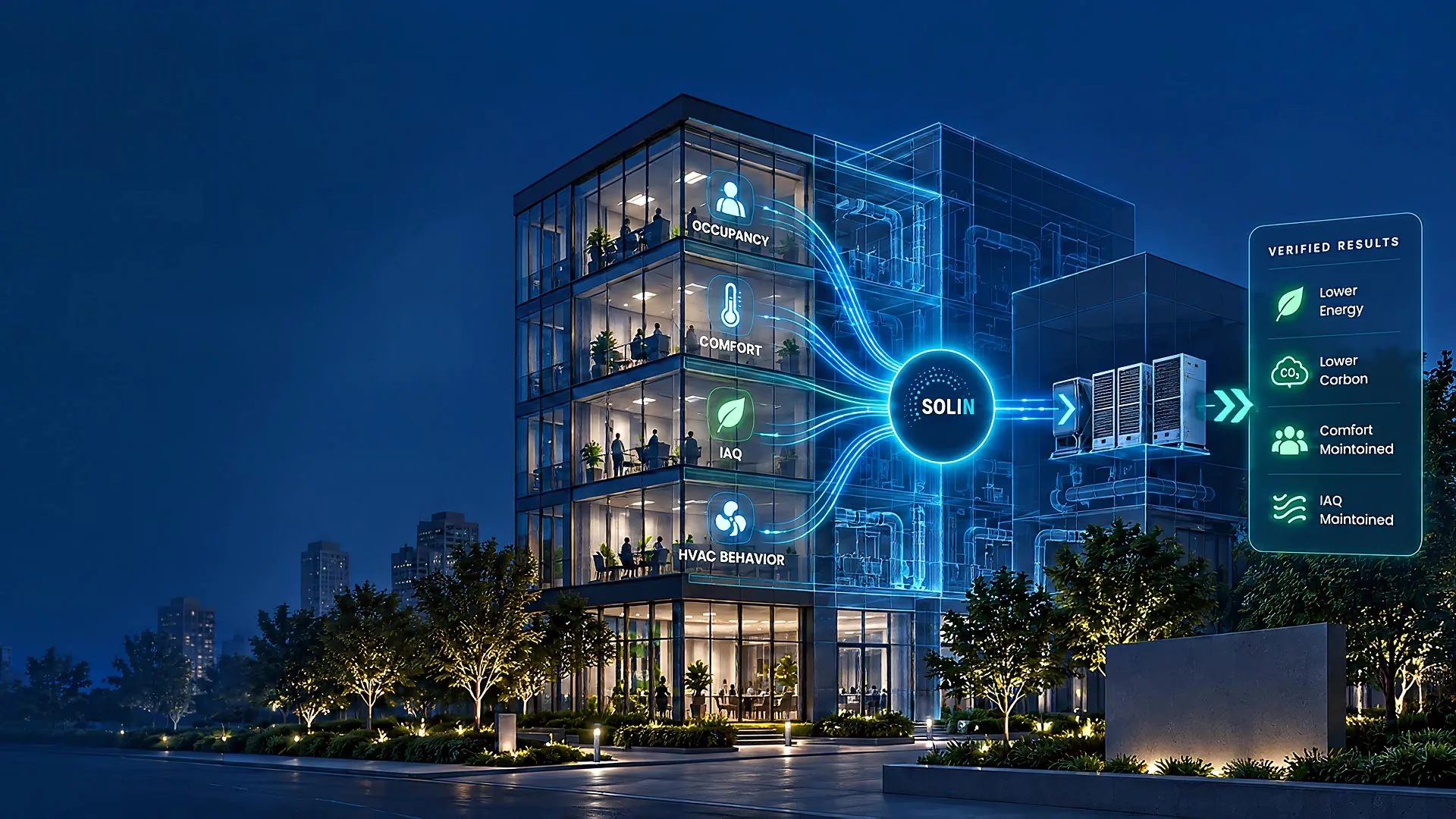
The Sol-In’s ECO·IN Building Demand Intelligence Platform learns how your building actually behaves, matches HVAC operation to real demand, and verifies the results in kWh, cost, carbon, comfort, and IAQ.


44%
Up to 44% verified HVAC energy reduction

17+ / 10 sec
17+ parameters every 10 seconds – captured continuously

BMS Optional
Standalone or BMS-integrated

VEM
Baseline vs. actual performance – verified through VEM
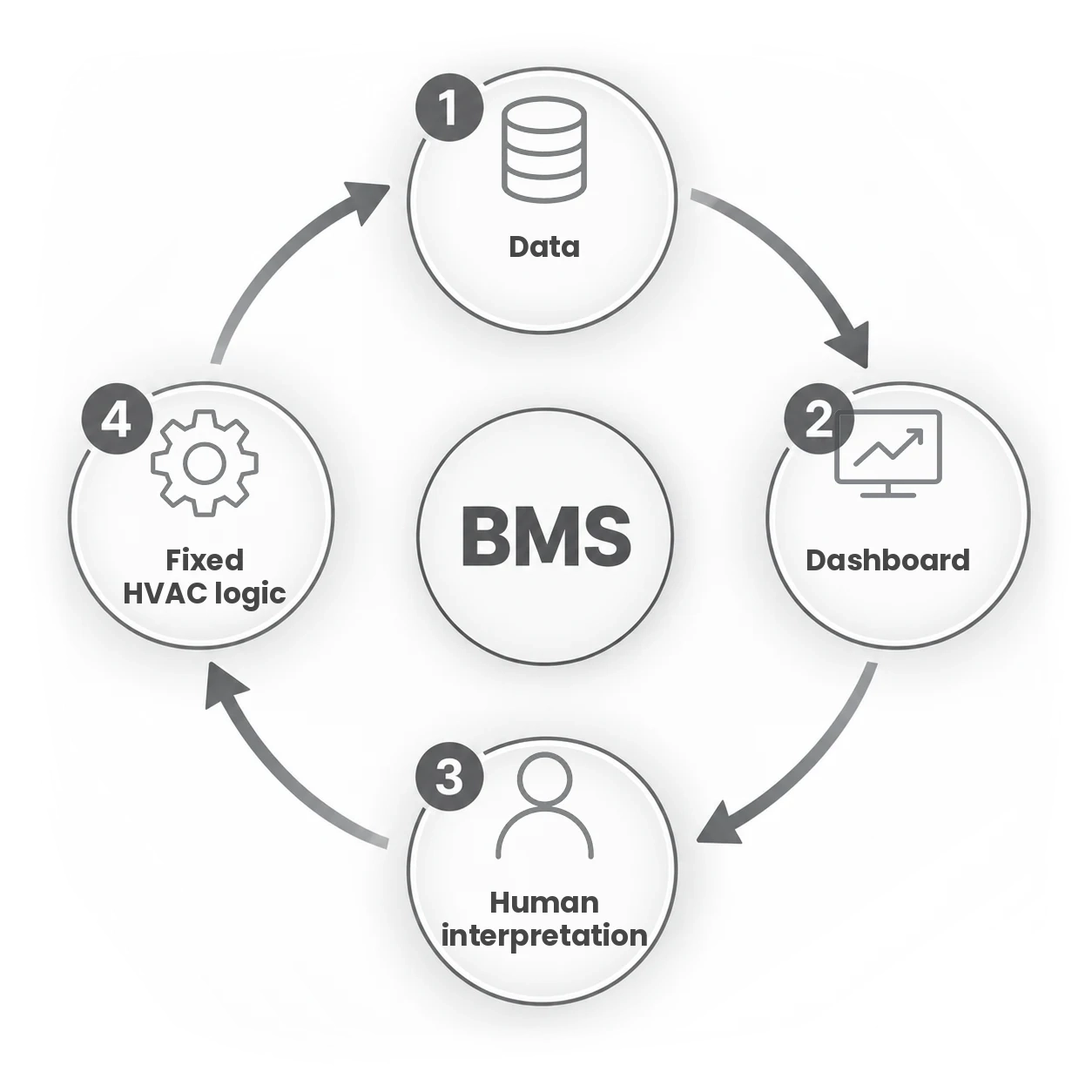
Most buildings already have plenty of data. The problem is what happens next.

Sensors and dashboards show what is happening, but not whether HVAC operation matches actual demand.

HVAC still runs according to fixed schedules, setpoints, and assumptions – even when the way the building is being used has changed.

Energy use may go down, but without a clear baseline it is difficult to show what was actually saved, where, and why.
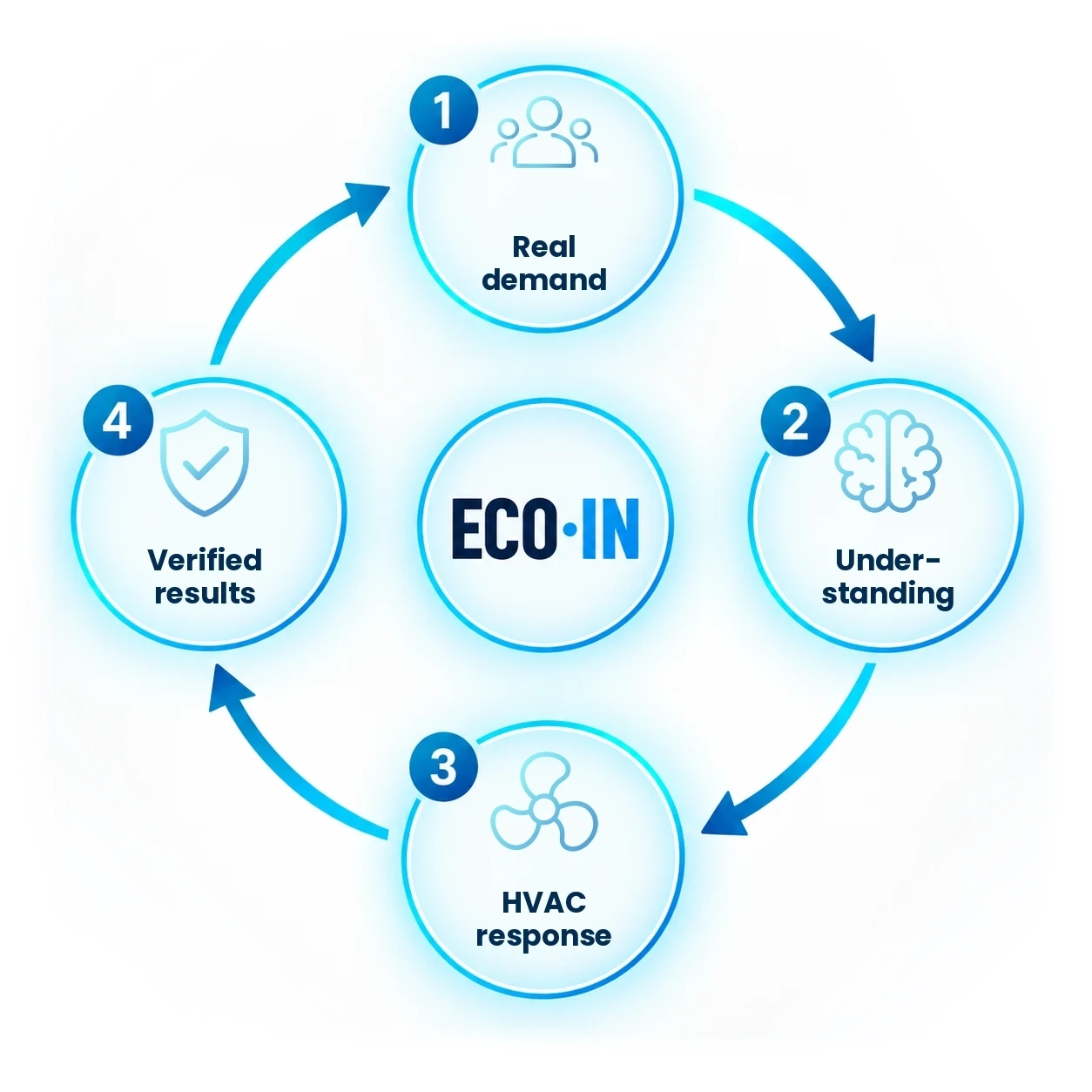
ECO·IN closes the gap between building data, HVAC action, and verified performance.

VS

Choose the outcome that matters most. ECO·IN connects all three through the same closed loop.

Cut HVAC waste. Verify every saving.
Reduce unnecessary HVAC operation according to real demand, then verify the result against a clear baseline.
KEY VALUE
kWh, cost, CO₂, ROI & payback

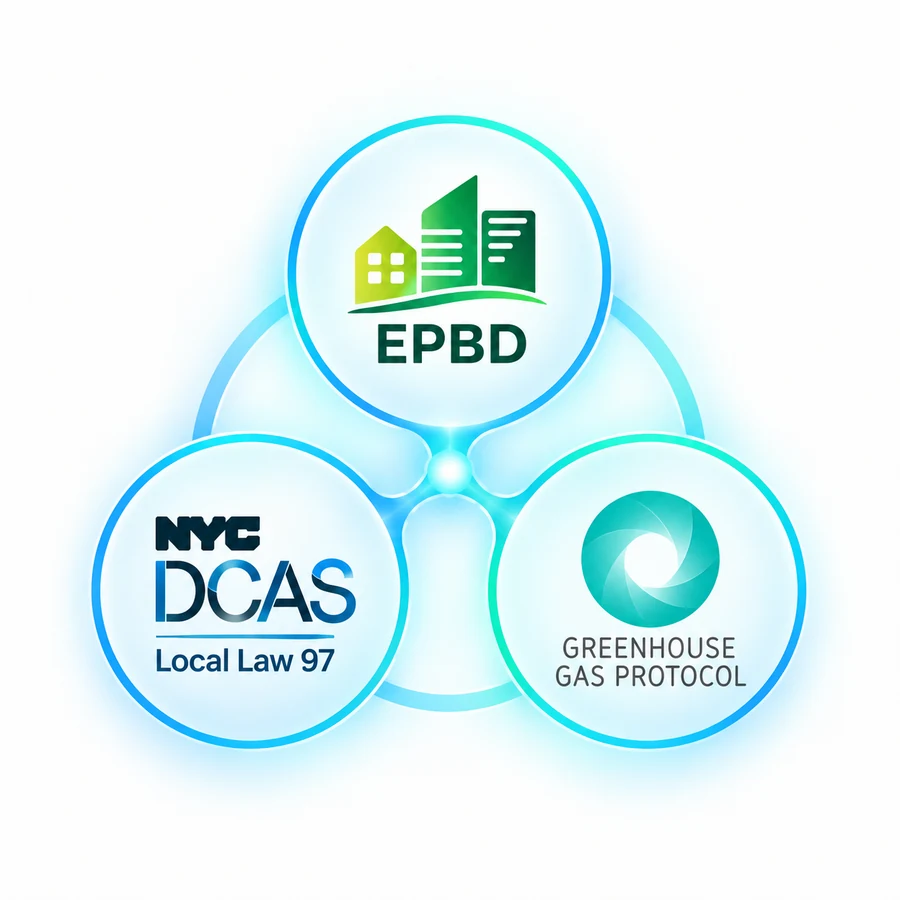
Turn building performance into climate evidence.
Translate verified HVAC reductions into measurable carbon impact and structured reporting data.
KEY VALUE
Scope 2 · ESG · MRV · compliance evidence

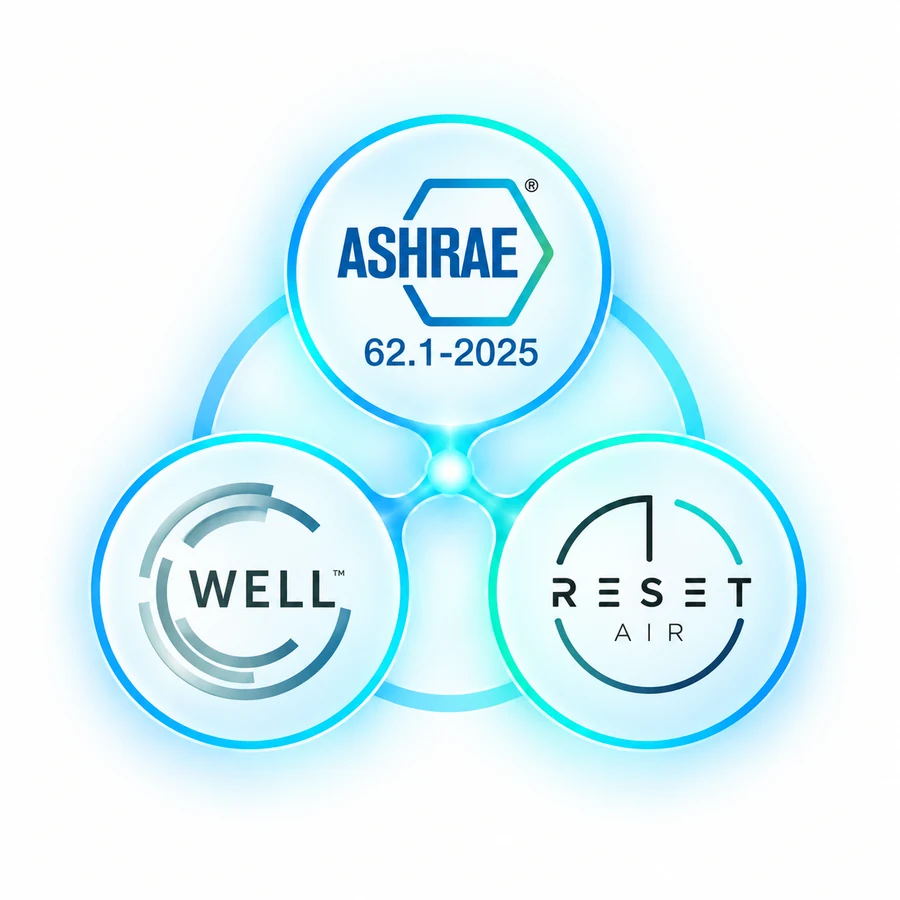
Measure what people breathe. Make HVAC respond.
Monitor conditions in the breathing zone and respond to changing occupancy, IAQ, and thermal demand in real time.
KEY VALUE
Breathing-zone sensing · HVAC response, not just monitoring
One closed loop. Four connected layers.
Measure · Understand · Control · Verify
01 · MEASURE
Captures real conditions from occupied spaces, HVAC equipment, and building systems.
02 · UNDERSTAND
Learns how this specific building behaves, where real demand appears and predicts what comes next.
03 · CONTROL
Turns building-specific intelligence into bounded HVAC decisions and actions.
04 · VERIFY
Compares baseline vs. actual performance and verifies the result in kWh, cost, CO₂, and ROI.
44%
HVAC energy reduction
Field-verified reduction measured during an A/B deployment period.
3
Critical areas continuously monitored
Real-time data enabled targeted changes to cleaning and ventilation, improving air quality while reducing unnecessary operation.

Comfort, efficiency & compliance

Changing room use & shared-space demand

Classroom IAQ & lower operating costs

Retrofit performance at portfolio scale

Predictive cooling & verified efficiency

Demand-based ventilation & lower waste
The ECO·IN Building Demand Intelligence Platform provides continuous operational data that helps turn building performance into measurable evidence – from energy and carbon reporting to IAQ, ventilation, and green-building standards.

Buildings are designed for projected occupancy, but real occupancy often falls far short. Reliable real-time data closes that gap and cuts wasted ventilation, heating and cooling.


Indoor air quality shapes health, comfort and productivity. These are the six metrics Sol-In tracks to keep buildings healthy and efficient.

LEED is the global benchmark for sustainable building design and operation. Here is how Sol-In helps buildings reach and maintain certification.
Reduce HVAC waste, improve indoor conditions, and verify the impact in energy, cost, and carbon terms.